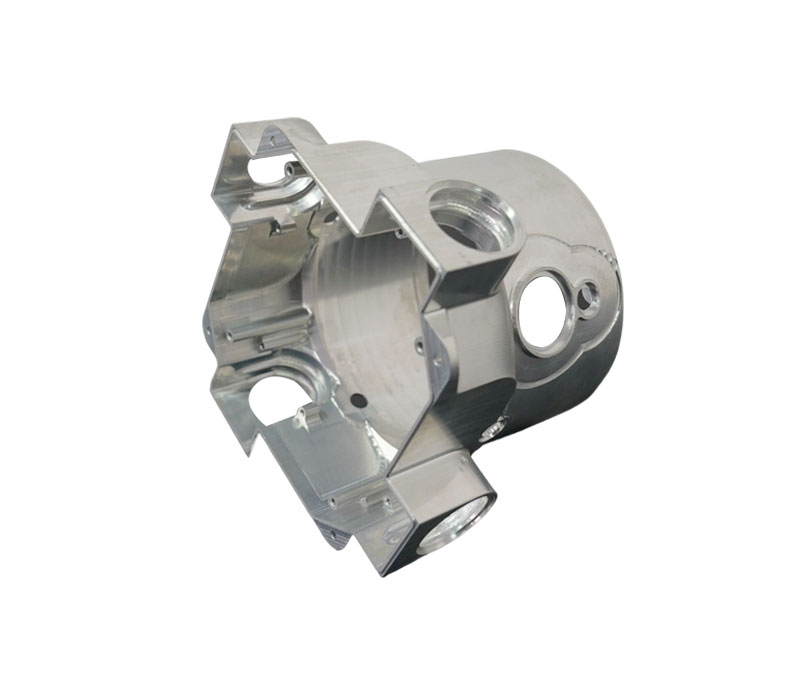
A turning joint is a type of pipe fitting that connects two pipes, mainly playing a role in changing the direction of liquid or gas flow along a straight line. In the industrial field, steering joints are widely used in various pipeline systems, such as water supply systems, petrochemical systems, and gas conveying systems. Below, we will provide a detailed introduction to the types, components, characteristics, and industrial applications of steering joints.
1、 Type of steering joint
The steering joint can be divided into three types according to the connection method: welded type, threaded type, and flange type.
1. Welded steering joint
Welded steering joints are suitable for high-pressure, high-temperature, and corrosion-prone situations. It has the characteristics of simple structure, good sealing, and convenient installation. The welded steering joint adopts a casting process, and different sizes of joints can be made according to the diameter and wall thickness of the connecting pipeline.
2. Threaded steering joint
The threaded steering joint is suitable for low pressure, low temperature, and general industrial applications. It has the characteristics of easy installation, simple maintenance, and low price. The main materials used for making threaded steering joints include copper, brass, iron, and stainless steel.
3. Flange type steering joint
The flange type turning joint is suitable for medium and high pressure pipeline systems, characterized by strong installation fixation, good sealing, and convenient replacement. The connection method of the flange type steering joint is relatively complex and requires multiple adjustments to achieve a good connection effect.
2、 Composition of steering joint
The main components of the steering joint include the inlet and outlet pipelines of liquid or gas, the steering pipeline, and the steering joint housing. Among them, the outer shell is made of materials such as cast iron, carbon steel, stainless steel, etc., which has good corrosion resistance and mechanical strength. The internal steering pipeline is made of different materials such as steel pipe, alloy steel, copper, and iron, and is processed by methods such as spiral, hammering, stamping, and rolling.
3、 Characteristics of the steering joint
1. Changing the flow direction: The steering joint can change the flow direction of liquid or gas flowing in a straight direction, making it flow as needed and convenient for production operations.
2. Simple structure: The steering joint has a simple structure, convenient installation, can reduce labor and material costs, and improve production efficiency.
3. Good sealing performance: The steering joint is made of high-quality materials, including internal steering pipes and shells, which have a good sealing effect and can effectively prevent leakage.
4. High reliability: The steering joint is well made and has characteristics such as wear resistance and corrosion resistance, which can ensure continuous operation in different climates and environments, with high reliability.
4、 Application of steering joints in industry
Steering joints are widely used in various pipeline systems, as follows:
1. Water supply system
The steering pipeline in the steering joint can cooperate with valves and water pumps to reverse, connect, and close water, achieving functions such as water source control, pump station regulation, and water flow cleaning in the water supply system.
2. Petrochemical system
The steering joints in petrochemical systems have a wide range of applications, involving pipeline systems that transport various media such as oil, natural gas, chemicals, hot water, etc. Among them, welded steering joints have excellent performance in high temperature, high pressure, corrosion resistance, and other aspects.
3. Gas conveying system
In gas conveying systems, the application of steering joints is mainly concentrated in fans and